
Macbeth Alone
A scintillating new version of one of Shakespeare’s bloodiest plays.
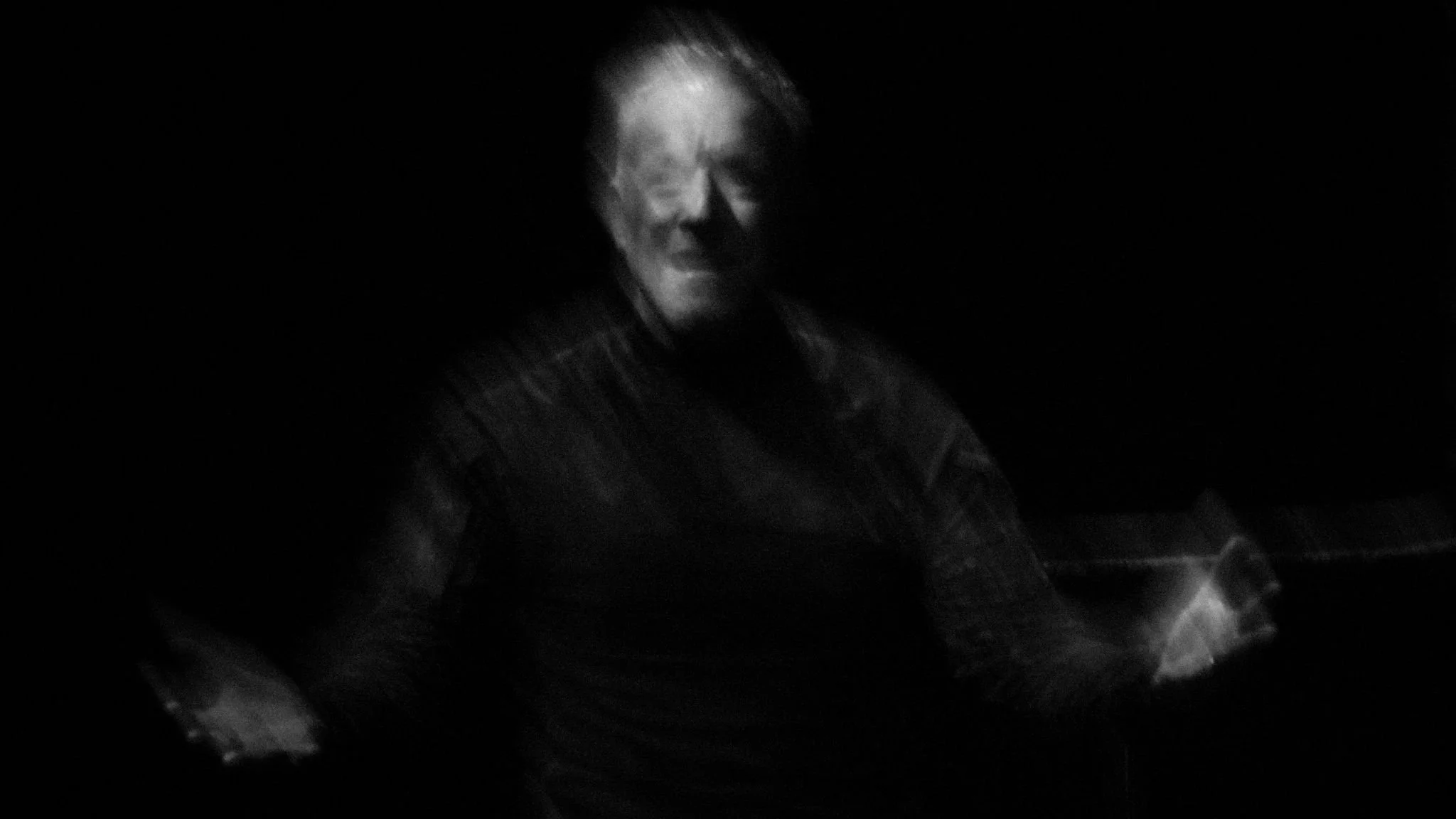
Macbeth Alone is a thrilling and visceral reimagining of Shakespeare’s most haunting tragedy — performed by one man alone.
Set within one single cell, this is a claustrophobic descent into the fractured mind of a man determined to wear the crown forever. From the thunder of the battlefield to the silence of a sleepless night, from prophecy to paranoia, Macbeth Alone draws audiences into the psychological storm of a doomed king.
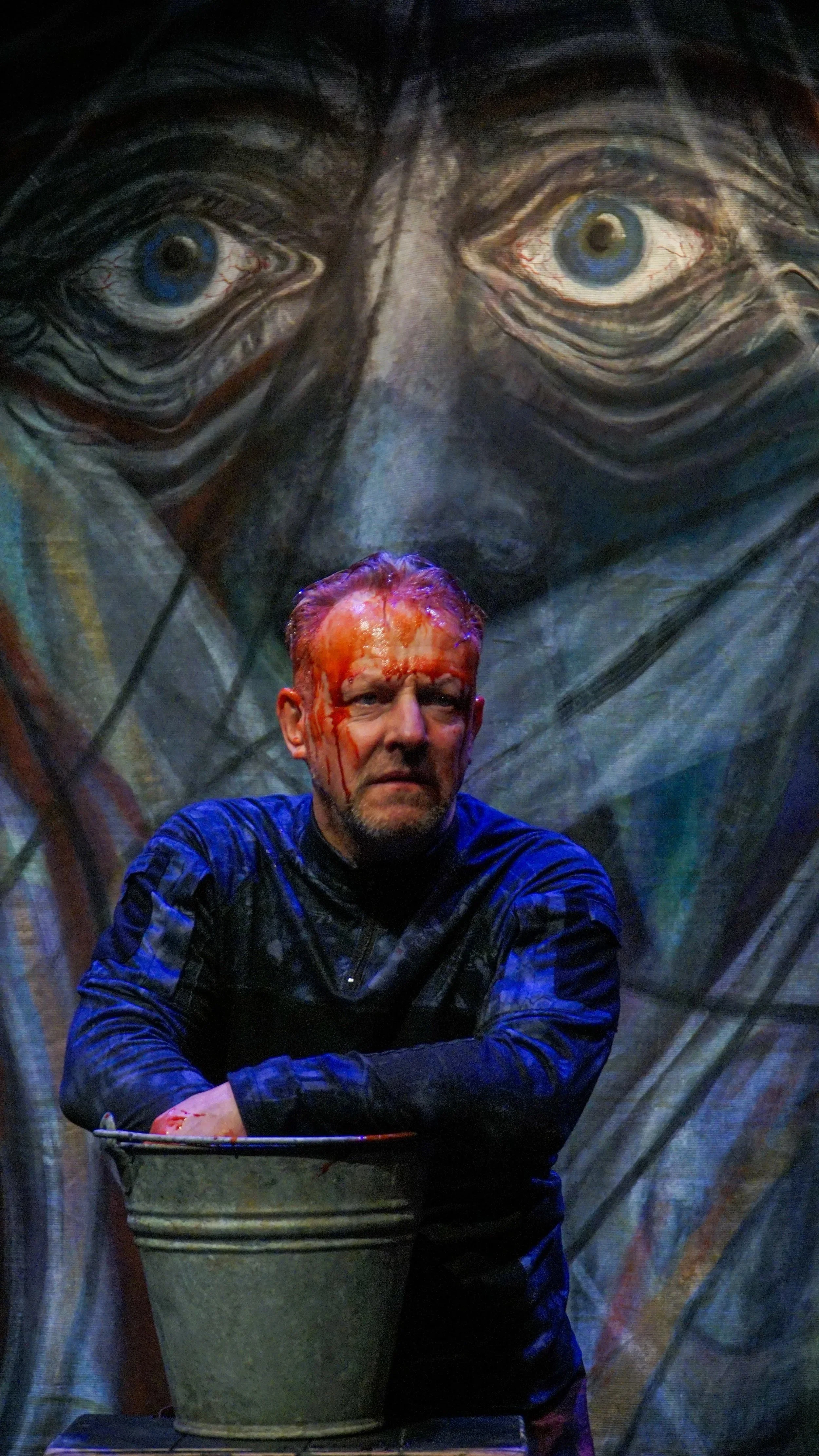
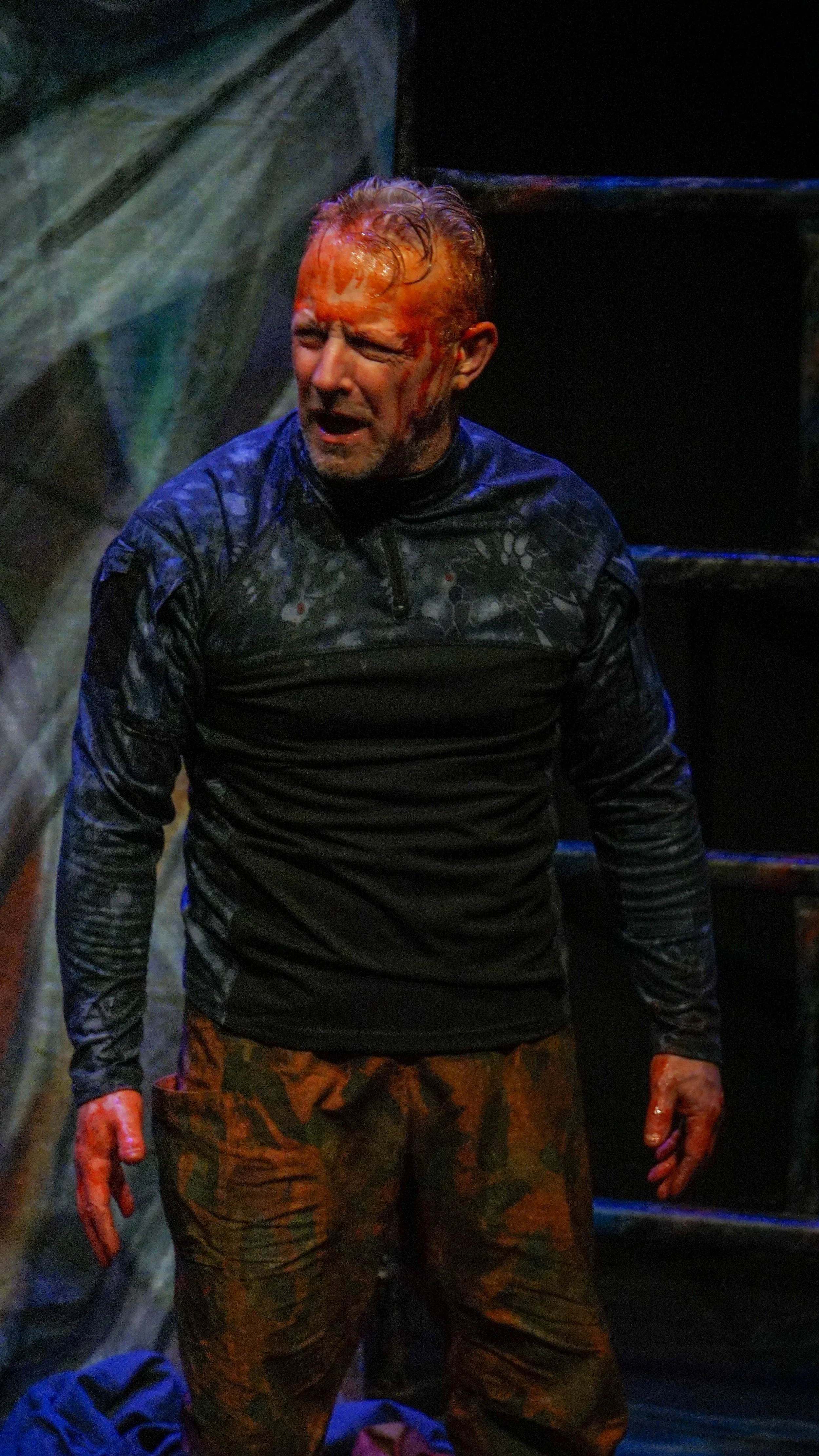
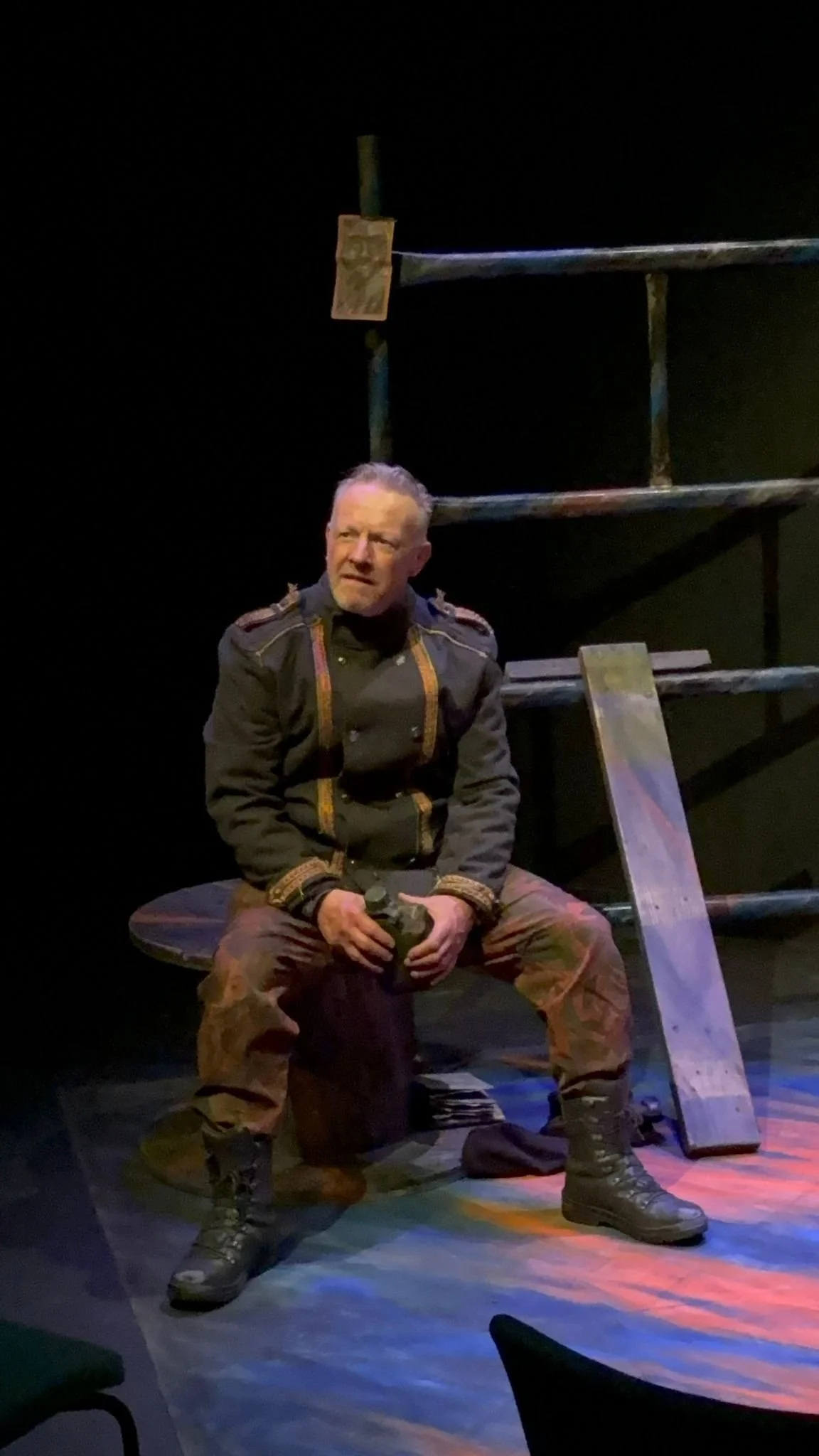
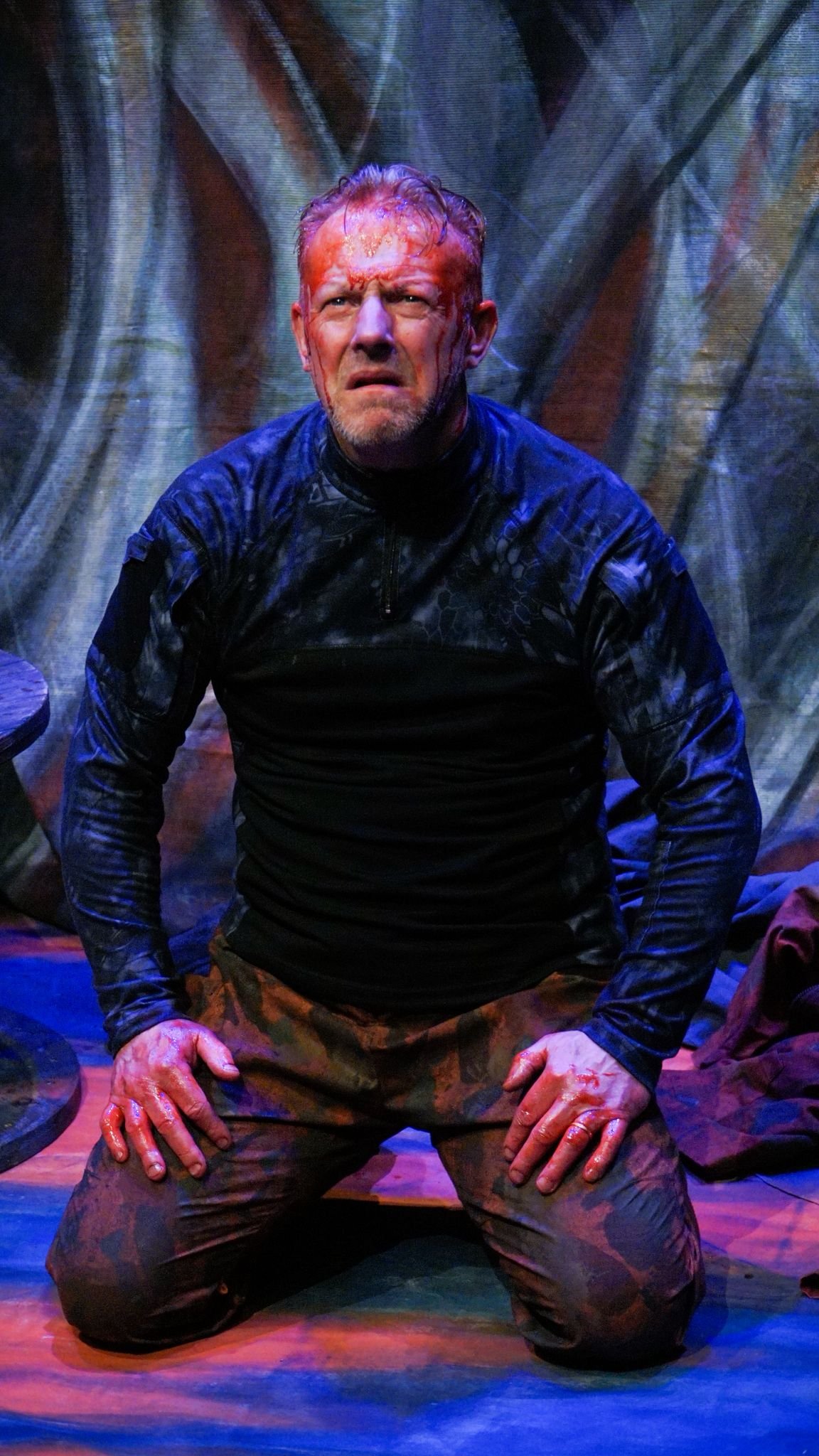
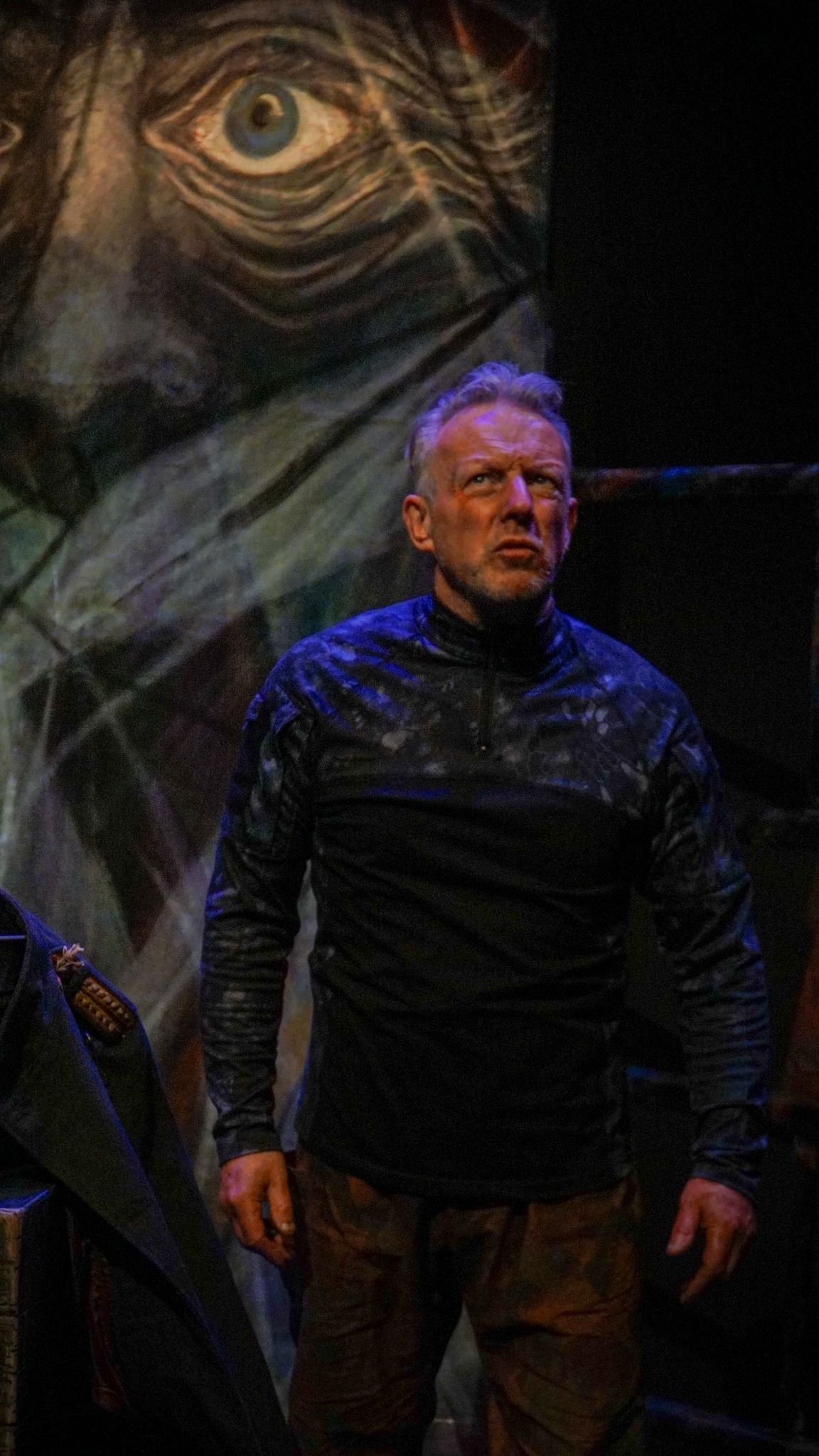
Chris Garner (Coronation Street, War Horse) portrays every character. every betrayal, every daggered vision — summoned in real time through the voice, body, and unravelling soul of one performer.
Stripped of ensemble, staging, and spectacle, what remains is raw: one man, one voice, and the ghosts that will not let him rest.
This is Shakespeare, distilled to its darkest essence — a fever dream of power, guilt, and fate
Review - Tony Clarke
The obvious challenge facing any contemporary reworking of any of Shakespeare’s plays is how to do so in a fresh and original way, even more so when it is one of his most popular and recognisable works, one which has already been subjected to myriad reimaginings and interpretations. This particular challenge was first embraced by Stroud Theatre Company back in 2014, when co-founders Chris Garner (actor-director) and Sue Condie (designer) first toured this acclaimed one-man production. Twelve years on, the show sets forth once more on a national tour, co-directed by Garner and Nick Bagnall, with the former once again cast as the tragic hero.
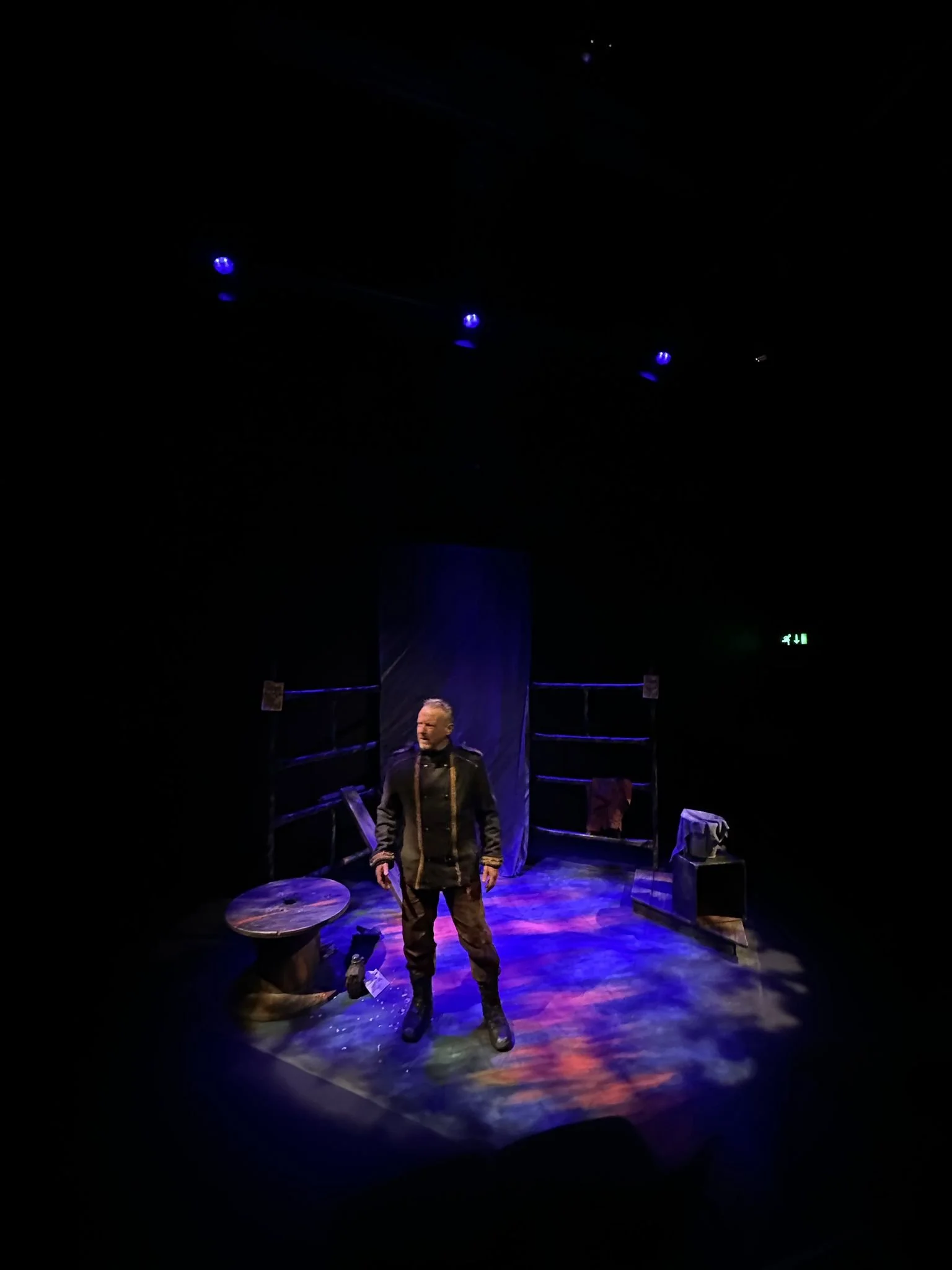
And the Studio is the perfect venue for such an intense and compelling performance, its audience “cabined, cribbed and confined” within its claustrophobic walls. Garner provides us not just with an abridged Macbeth, whittling it down to a breathtaking single act of just fifty minutes, but has done so in such a way as to make even the most knowledgeable Shakespeare aficionados see this brutal and visceral play from a fresh perspective whilst crucially retaining all of its narrative power. As the programme suggests, this is Shakespeare “…distilled to its darkest essence — a fever dream of power, guilt, and fate.”
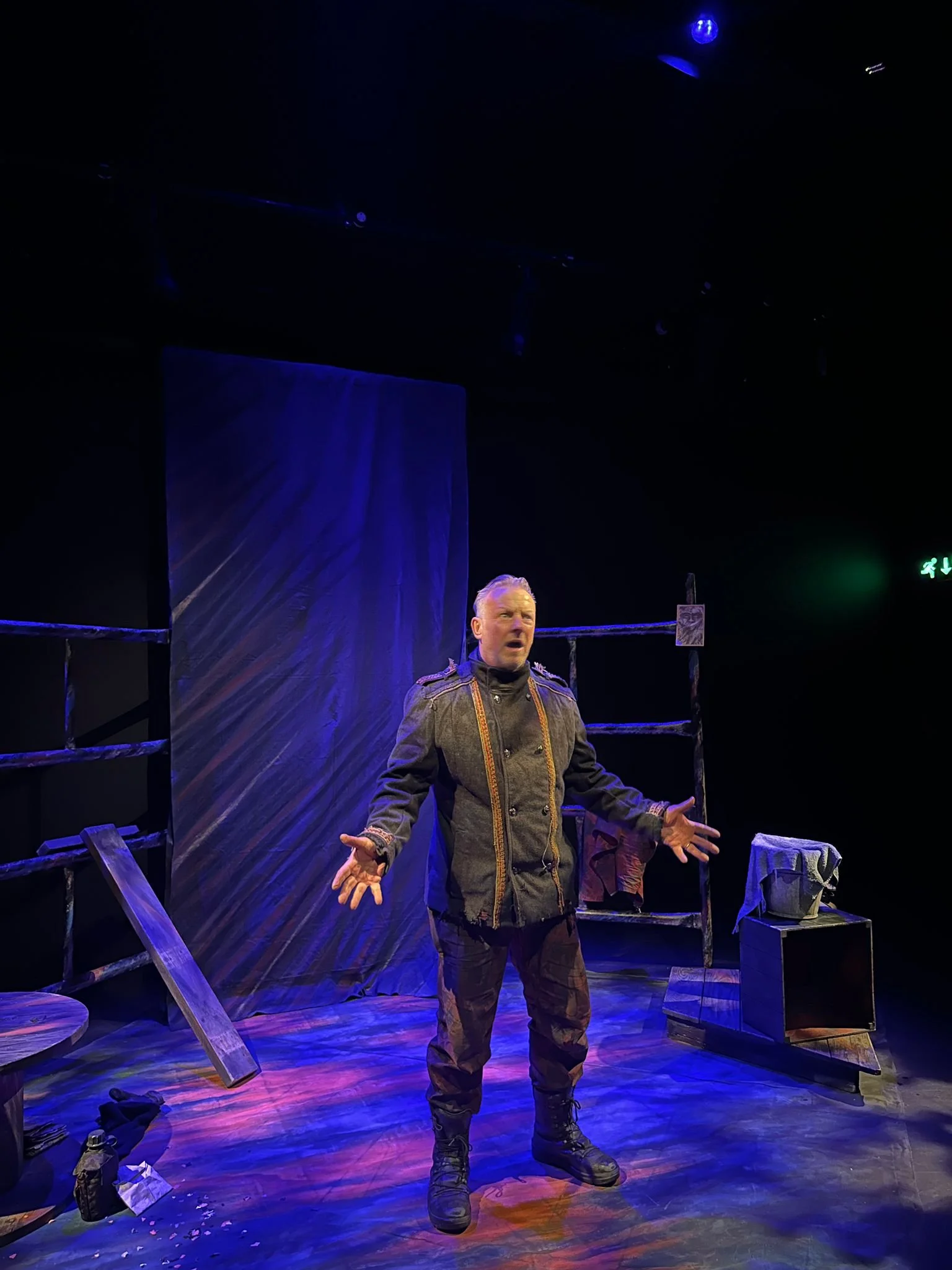
An unsettling and uncomfortable atmosphere pervades from the very first moment and never leaves us. Sound designer Elizabeth Purcell’s haunting and discordant soundtrack saws, scratches and scrapes constantly in the background, punctuated by the ominous caws of crows and screeching of owls, all of which is underscored by a disconcerting and constant trickle of water (hopefully a subtly clever sound effect and not caused by the awful January weather outside). Simple but subtle lighting changes mirror Macbeth’s fractured and fluctuating mental state. The production markets itself as “stripped of ensemble, staging and spectacle”: Condie’s sparse and simple stage, a single cell, is indeed minimalist and provides all the set we need, our focus firmly fixed on Garner’s riveting performance, yet where props are used – most notably a simple metal bucket, a painted curtain – they are employed to great effect. Let us not forget that this is one of Shakespeare’s bloodiest plays, something which this production cleverly and simply reinforces.
Arguably Macbeth Alone’s greatest strength is perhaps also its limitation. Rather than the expected linear procession from Acts One to Five, Garner’s adaptation is, like Macbeth himself, fractured and fragmented. He steals lines from other characters, tweaks them and gives them his own voice, the timeline chops and changes quite erratically, key scenes and speeches from across acts and characters are blended together – it can initially be quite confusing. Therefore, a familiarity with the play is, if not essential, highly recommended. This is a Macbeth for the initiated. But it is also a Macbeth that plausibly captures – in Garner’s solo tour-de-force – both the madness and the humanity of its eponymous hero in a clever and captivating performance which plays out just inches from its audience.
Stagetalk Magazine 2026